Unlocking Fun: How Puzzle Games and Simulation Games are Transforming the Gaming Experience
In the ever-evolving world of gaming, puzzle games and simulation games are leading the charge in reinventing how players engage with digital entertainment. With their unique mechanics and creative designs, these genres have crafted experiences that not only challenge players but also immerse them deeply in fantastical worlds.
The Rise of Puzzle Games
Puzzle games have become an essential staple in the gaming landscape, enchanting players of all ages. Their simplistic gameplay mechanics combined with intricate designs are a perfect blend of challenge and fun. Here are a few reasons behind their surging popularity:
- Accessibility: Many puzzle games are easy to pick up and play. They often don't require extensive tutorials, allowing players to dive right in.
- Cognitive Boost: Engaging in puzzle games enhances problem-solving skills and boosts critical thinking—skills that are useful in real life.
- Social Connectivity: Many of these games incorporate leaderboards and multiplayer modes where friends can compete, fostering a sense of community.
Simulation Games: A Deep Dive into Virtual Realities
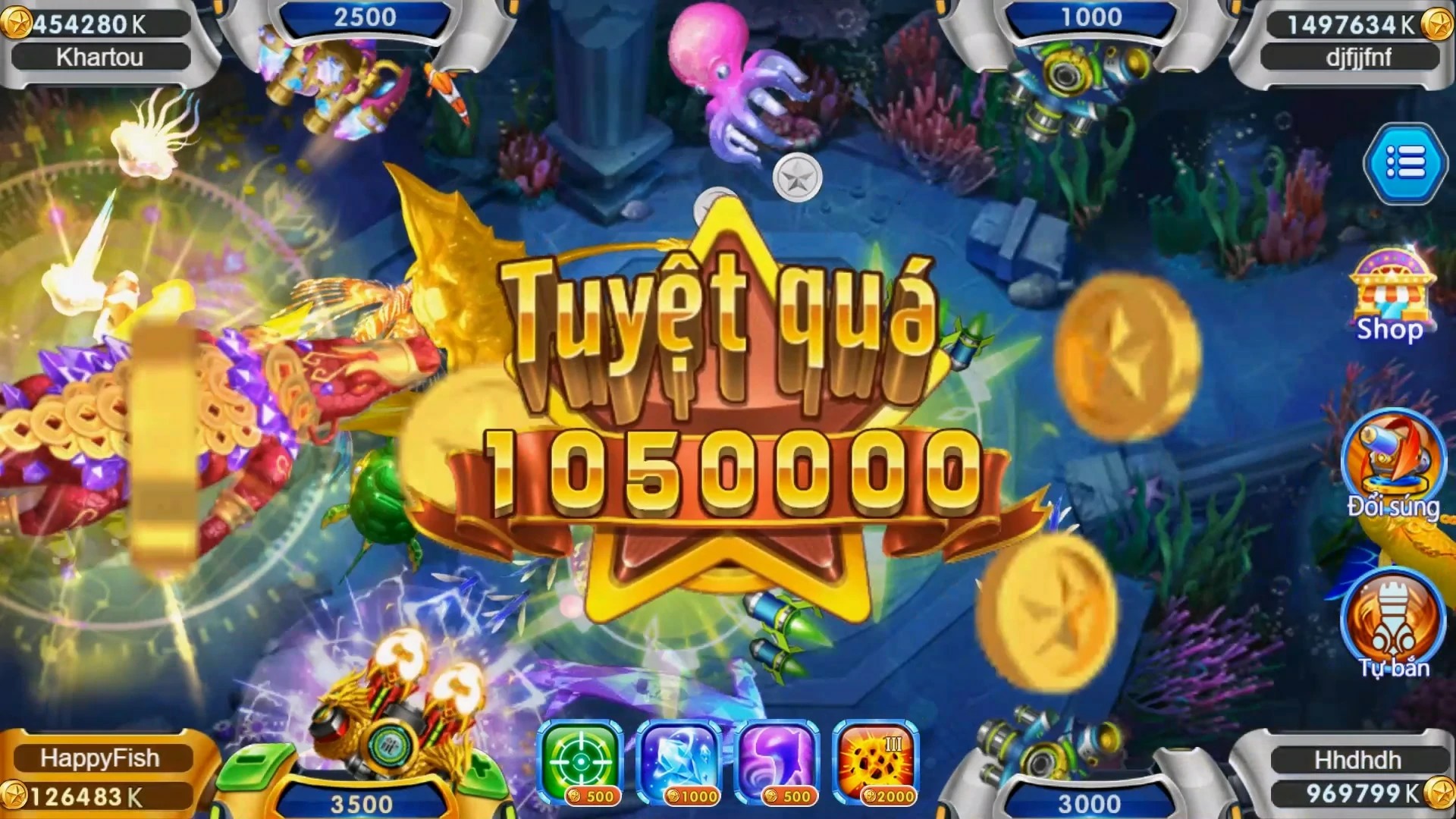
Simulation games allow players to build, manage, and experience virtual lives and environments. They go beyond just casual entertainment; they mimic real-world activities in a way that players feel like they are part of a larger story. Popular titles like WWE Crash Cage Match have showcased how simulation sports can enthrall viewers with realistic graphics and engaging gameplay.
The attractions of simulation games include:
| Feature | Benefits |
|---|---|
| Realistic Scenarios | Players can engage in activities they may never do in real life, from managing a farm to running a city. |
| Creativity | Many simulation games allow players to customize their experiences, leading to endless possibilities. |
| Community Interaction | Online gaming communities around these simulators can be very active, sharing experiences and strategies. |
Creating Your Own RPG Game
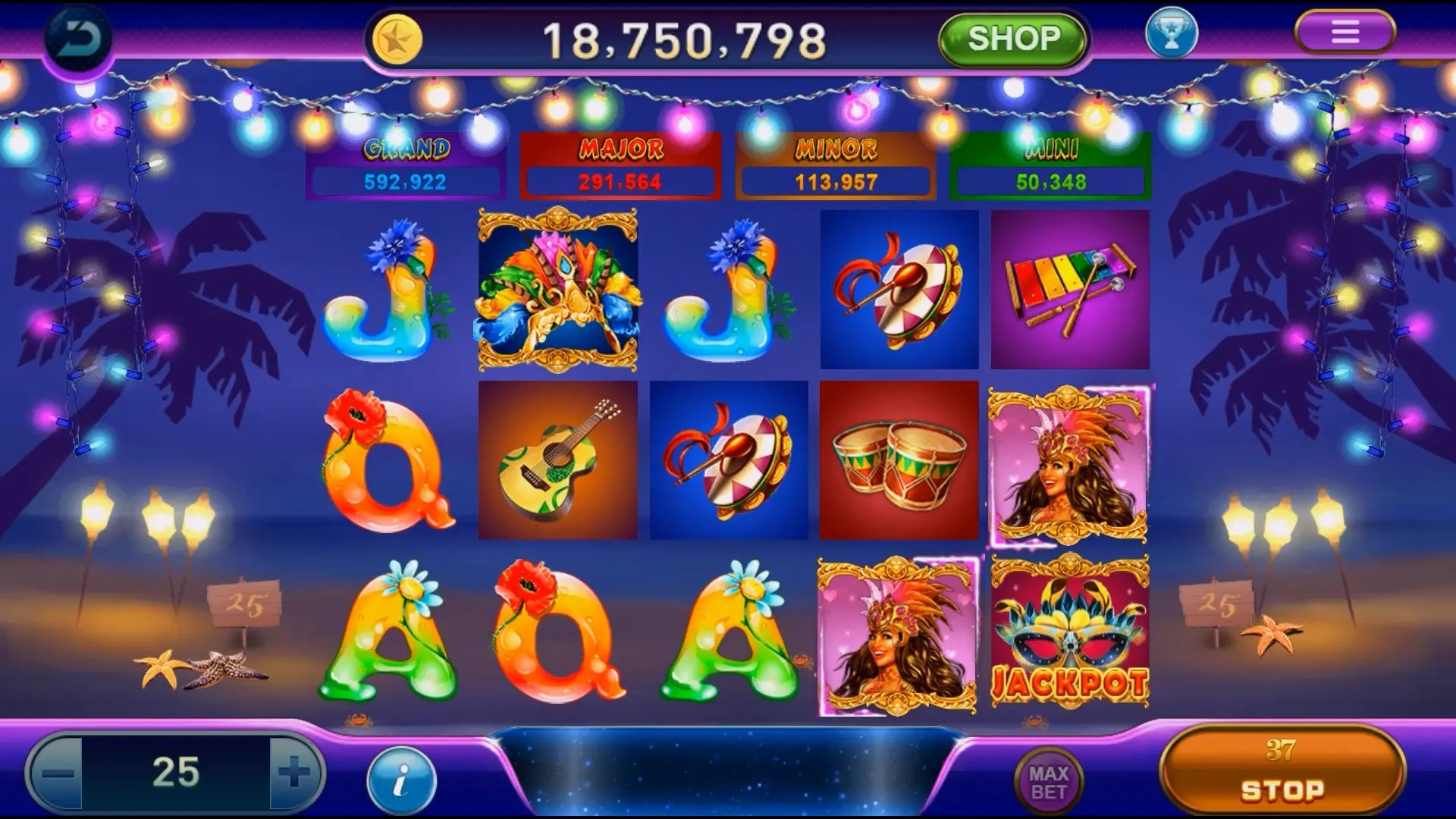
If you’re feeling inspired to join the ranks of game creators, learning how to make a RPG game in Scratch could be a fantastic starting point. Scratch is user-friendly, ideal for beginners, and offers a playful environment for creativity. Here’s a quick guide:
- Conceptualize: Think of a story (fantasy, adventure, etc.), and jot down your ideas.
- Design Characters: Build unique characters that embody your story's essence.
- Create a Game Map: Use Scratch to design an interactive environment where players can explore.
- Build Game Mechanics: Code how players will interact with the game—combat, inventory, or dialogue options.
- Test and Iterate: Playtest your game, receive feedback, and make improvements.
Conclusion
In conclusion, puzzle games and simulation games are not just mere entertainment; they are evolving forms of art that connect players through engagement, creativity, and challenge. As we continue to explore these vibrant genres, we find endless possibilities for adventure and a deeper understanding of the gaming world. Whether you prefer solving puzzles or simulating realities, there's something out there for everyone to enjoy. Embrace the fun, challenge your brain, and dive into these fantastic game experiences!